
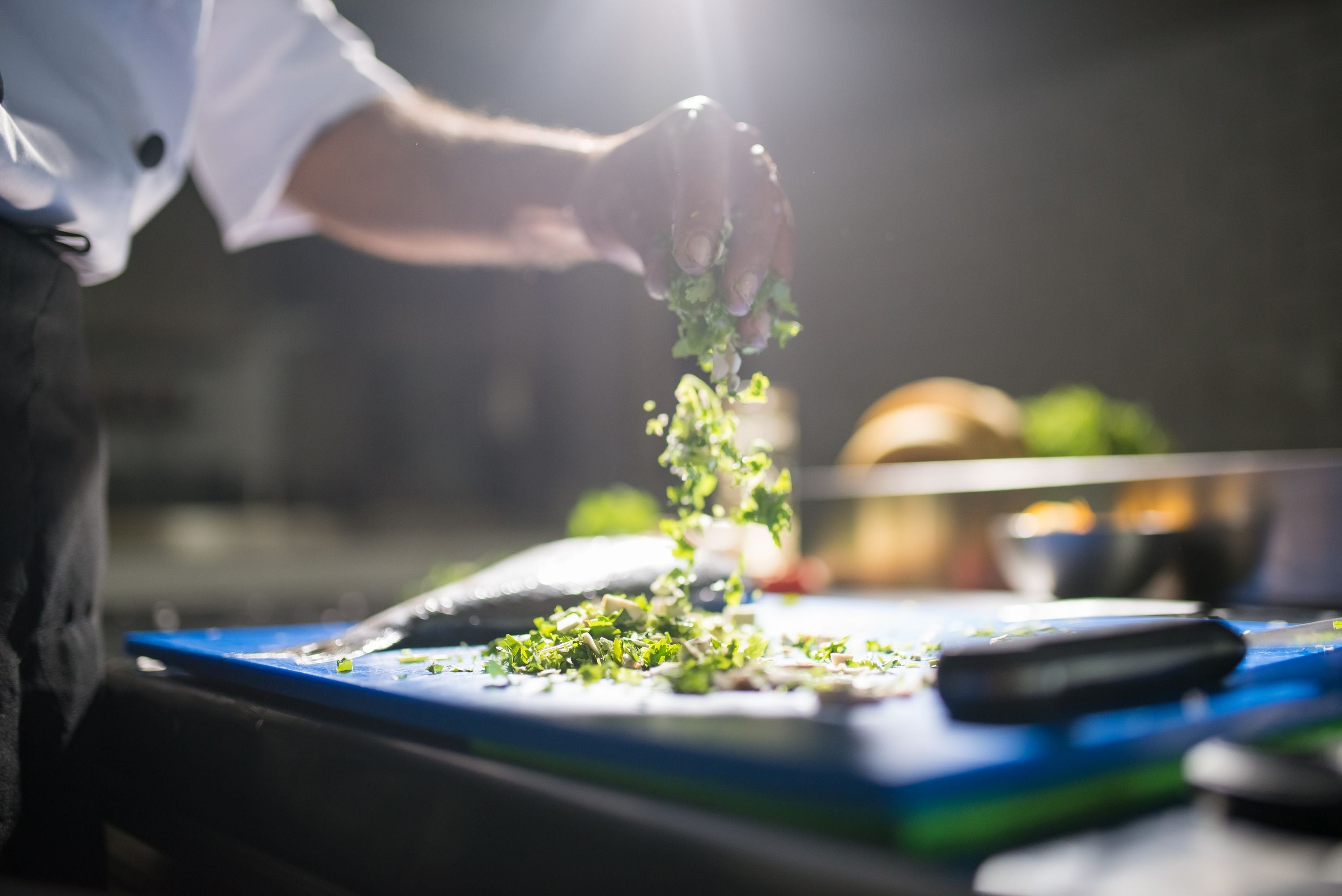
A professional kitchen is more than a room filled with equipment. It is a working system.
Every station, tool, pan, knife, machine, storage container, and service piece contributes to how the kitchen moves. When that system is poorly planned, even experienced teams can lose time through unnecessary steps, missing tools, inconsistent equipment, and disorganized preparation.
When the right equipment is selected and placed with intention, the kitchen becomes easier to operate.
The goal is not to own the largest possible collection of culinary tools. The goal is to build a setup where every item has a clear role.
At Culinary Supplies, this is the philosophy behind professional kitchen procurement.
Start With the Work, Not the Shopping List
One of the biggest mistakes when building or upgrading a kitchen setup is starting with a general equipment checklist.
A better approach is to study the work first.
What does the team prepare every day?
Which techniques are repeated most often?
Where does service slow down?
Which tasks require greater precision?
What equipment is being shared between stations when each station should have its own?
The answers to these questions are more valuable than a generic list of kitchen essentials.
A pastry kitchen has different priorities from a high-volume grill operation. A tasting menu kitchen may require a deep selection of precision plating tools, specialty molds, and small service vessels. A catering operation may prioritize durable utensils, storage, transport-friendly organization, and versatile commercial cookware.
Professional tools should match the realities of the kitchen using them.
Build Each Station Around Its Core Tasks
A strong kitchen setup begins at station level.
Instead of treating the kitchen as one large collection of equipment, divide the workspace according to actual culinary functions.
A knife and preparation station may need chef knives, specialist blades, cutting surfaces, sharpening equipment, scrapers, and organization tools.
A pastry station may require piping equipment, dough scrapers, silicone mats, tart rings, molds, confectionery tools, and highly specific measurement accessories.
A hot line may depend on durable cookware, high-heat spatulas, heavy-duty tongs, ladles, whisks, and equipment suited to the cooking methods used on that station.
A plating area may require precision tweezers, spoons, squeeze tools, service vessels, and carefully organized finishing ingredients.
When equipment is selected around specific tasks, it becomes easier to identify what is truly necessary.
This also reduces unnecessary crossover between stations.
Choose Knives According to Technique
A professional knife setup does not need to include every blade profile available.
It should include the knives that match the work.
For many culinary professionals, a chef knife or gyuto forms the foundation of daily preparation. From there, additional blades can be selected according to the ingredients and techniques used most frequently.
A pastry or bakery operation may have very different cutting requirements from a meat-focused restaurant. Fine vegetable preparation may benefit from a different blade profile than heavy general prep.
Length matters.
Weight matters.
Balance matters.
Blade geometry matters.
Steel and maintenance requirements matter.
The most expensive knife is not automatically the correct knife for a particular station.
Professional knife selection is about finding a tool that supports efficient, controlled movement through repeated preparation tasks.
Do Not Treat Sharpening as an Afterthought
A kitchen can invest heavily in knives and still lose performance through poor edge maintenance.
Sharpening should be treated as part of the knife system.
Different sharpening stones serve different purposes. A blade requiring more significant edge work may need a different grit progression than a knife that simply requires refinement.
Honing tools can also support routine maintenance, depending on the blade and manufacturer's guidance.
The important point is consistency.
A knife maintenance routine should not begin only when a blade becomes difficult to use.
Professional kitchens benefit from clear maintenance habits and appropriate sharpening equipment.
A well-maintained edge supports cleaner cuts, greater control, and more predictable preparation.
Match Cookware to the Cooking Method
Cookware should be selected according to technique rather than appearance.
Carbon steel, clad stainless steel, copper, and other materials behave differently under heat.
A responsive pan may be valuable for sauces or reductions where rapid temperature changes matter.
A durable multi-ply stainless steel pan may offer versatility across a range of cooking methods.
Carbon steel may suit techniques that benefit from its heating characteristics and developed cooking surface.
Large stockpots must be considered according to capacity, weight, heat source, and workflow.
Induction compatibility is another important technical consideration.
Not every piece of cookware will suit every kitchen.
This is why material, construction, diameter, capacity, and compatibility should be reviewed before purchasing.
The right pan helps the cook manage heat more effectively.
Give Pastry Teams the Precision They Need
Pastry equipment deserves its own procurement strategy.
Professional pastry production is often built around exact dimensions, repeatable shapes, controlled temperature, and careful presentation.
A small difference in mold dimensions can affect portioning.
The flexibility of a silicone mold can influence unmolding.
The construction of a tart ring can influence the shape and finish of a product.
The size and geometry of pastry tips can change the final appearance of piped elements.
Professional pastry teams need access to tools that allow them to reproduce an idea consistently.
This becomes even more important as contemporary pastry moves toward more architectural and artistic forms.
Specialized tools are not unnecessary extras when the technique depends on them.
Consider the Movement of the Kitchen Team
A professional kitchen setup should reduce unnecessary movement.
When cooks repeatedly walk across the kitchen for a commonly used tool, there may be an equipment or organization problem.
When multiple stations regularly compete for the same utensil, the kitchen may need duplicates.
When containers are difficult to identify or access, storage may be slowing preparation.
The physical movement of the team provides valuable information.
Watch what happens during a busy service.
Where do people stop?
What are they searching for?
Which items are constantly being moved?
What tools are frequently unavailable?
These small moments can reveal important operational weaknesses.
A better setup places frequently used equipment where it is needed.
Invest in Small Tools That Improve Repeated Tasks
Large machines often receive the most attention when a kitchen is being equipped.
Small utensils can be equally important.
A chef may use a pair of tongs hundreds of times during a service.
A pastry cook may rely on the same scraper throughout an entire production shift.
A plating tweezer may be used on every dish leaving a particular station.
A whisk, spoon, spatula, or ladle may become an extension of the cook's hand.
Because these tools are used repeatedly, poor design becomes noticeable very quickly.
Handle length, grip, weight, flexibility, heat resistance, and material all matter.
Small tools should be selected with the same attention as larger equipment.
Use Machines Where Precision and Consistency Matter
Modern culinary machines can expand what a kitchen is able to execute.
Sous vide immersion circulators support precise temperature control.
Chamber vacuum sealers can become part of preparation, portioning, storage, and specialized culinary workflows.
Frozen dessert machines can support highly controlled texture development.
Chocolate tempering equipment can assist pastry and confectionery operations where temperature management is critical.
These machines are most valuable when they solve a real production requirement.
Before purchasing, consider capacity, electrical requirements, operating space, workflow, cleaning procedures, and expected output.
A machine should fit into the kitchen system.
It should not become an isolated piece of equipment that is difficult to use or maintain.
Build Presentation Into the Equipment Plan
Presentation should not be considered at the final stage of kitchen planning.
For many culinary concepts, service pieces are part of the menu design.
A particular dish may require a shallow vessel.
A sauce presentation may depend on a table-side pourer.
A dessert may be developed specifically for a glass verrine or geometric service piece.
A tasting menu may require a range of small presentation formats.
When culinary and service teams plan together, presentation equipment can support the concept of the food.
The best service pieces create visual interest without becoming more important than the dish.
They should support the experience.
Create a Storage System That Can Scale
As a kitchen expands its menu or equipment inventory, organization becomes increasingly important.
Professional storage should make products and tools easier to access, identify, and rotate.
Airtight containers can support ingredient organization.
Shatter-resistant bins may suit high-activity preparation areas.
Commercial racks can improve tray and production management.
Shelving systems help define where equipment belongs.
The exact setup depends on the size and type of kitchen, but the principle remains consistent.
Every item should have a logical place.
A strong storage system makes it easier for new team members to understand the kitchen and helps experienced staff move more efficiently.
Standardize Where Consistency Matters
Professional kitchens often benefit from equipment standardization.
Using the same style of tong across multiple stations may simplify replacement and familiarity.
Standardized containers can improve stacking and storage.
Consistent knife maintenance systems can make sharpening routines easier to manage.
Matching trays, racks, and service tools may create a more organized workflow.
Not everything needs to be identical.
Specialist stations will always require specialist equipment.
However, standardization can reduce unnecessary complexity in areas where variation provides no meaningful culinary advantage.
Review the Setup as the Menu Evolves
A professional kitchen setup should never be considered permanently finished.
Menus change.
Teams change.
Techniques evolve.
Service volume increases.
New machines become available.
Pastry concepts become more ambitious.
Equipment that once served a major purpose may become less important, while a previously minor tool may become essential.
Regular equipment reviews help kitchens stay aligned with their current operation.
Ask what is being used.
Ask what is missing.
Ask what is creating friction.
Ask what the team has stopped using and why.
A kitchen's equipment should evolve with its culinary direction.
Professional Procurement Is About Reducing Friction
The best kitchen tools often become almost invisible during use.
The cook does not need to fight the pan.
The knife does not interrupt the cutting motion.
The plating tool feels natural.
The mold produces the required form.
The machine provides predictable control.
The storage system makes ingredients easy to locate.
This is what professional equipment should achieve.
It should reduce friction between the culinary professional and the task.
At Culinary Supplies, our focus is on building an expanding catalog around this reality.
Commercial chef knives.
Sharpening systems.
Professional cookware.
Pastry tools.
Specialty culinary molds.
Precision utensils.
Kitchen machines.
Table service.
Chef workwear.
Storage and kitchen organization.
Each category supports a different part of the professional culinary environment.
Build the Kitchen Around the Craft
A serious kitchen does not need random equipment.
It needs the right tools in the right places.
Start with the work.
Study the techniques.
Understand the stations.
Select equipment according to real applications.
Organize the kitchen around the way the team moves.
Then continue refining the setup as the operation evolves.
Better equipment will never replace culinary skill.
But the right tools can give skill more room to work.
Equip Every Station With Purpose
Explore professional knives, cookware, pastry tools, culinary machines, precision utensils, molds, storage, workwear, and presentation supplies through the Culinary Supplies professional catalog.